The rapid pace of technological development has created a growing gap between what young professionals learn through formal education and the skills expected when they enter today’s workforce. This challenge is particularly evident in fields such as artificial intelligence and cybersecurity, where technologies, methodologies and business needs evolve much faster than traditional educational programs.
At ITAS, we believe companies have an important role in bridging this gap by complementing formal education with practical experience gained through real projects, modern technologies and real business challenges.
How did ITAS approach this challenge?
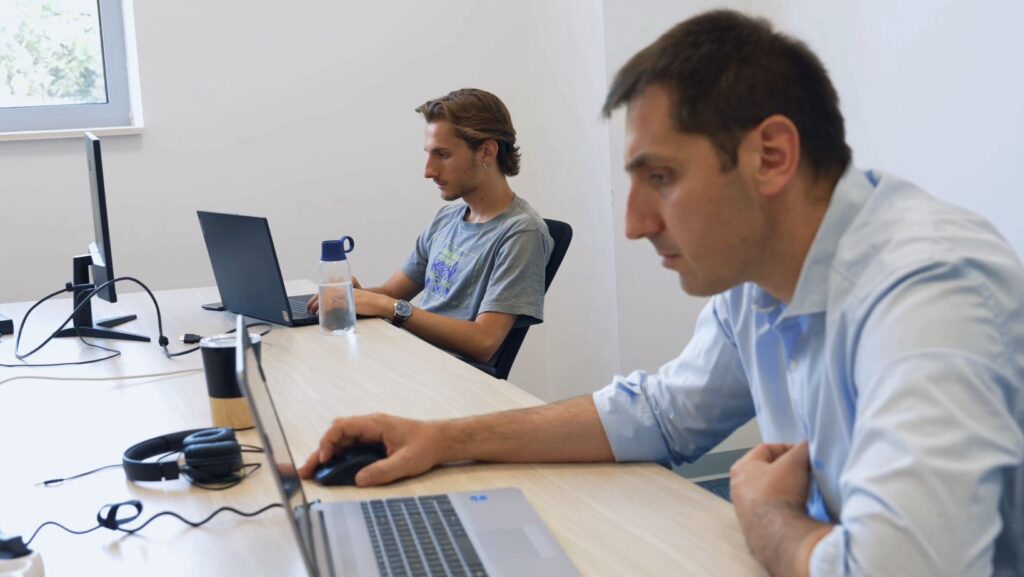
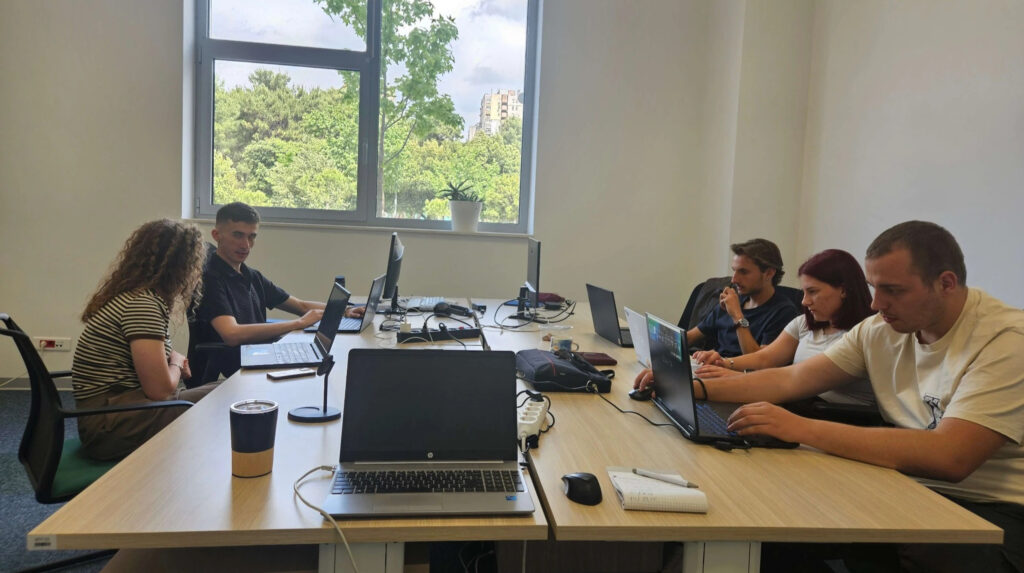
This year, ITAS launched a pilot internship initiative that brought together students from economics and electrical engineering alongside an international AI student from France. The goal was to create a multidisciplinary and multicultural environment that reflects the realities of today’s workplace, where engineers, business professionals, researchers and international teams collaborate on shared objectives.
The outcome exceeded our expectations.
What makes the ITAS internship different?
Rather than treating internships as passive learning experiences, students became active contributors to ongoing projects and real technological challenges.
During the internship, participants had the opportunity to:
- Work on real business projects instead of simulated assignments.
- Apply modern technologies to practical business challenges.
- Collaborate in multidisciplinary teams with professionals from different backgrounds.
- Develop analytical and problem-solving skills through real project work.
- Experience modern software development and innovation workflows in a professional environment.
Through this approach, students gained a deeper understanding not only of how emerging technologies work, but also how they are successfully implemented in real organizations.
What impact does the internship create?
This internship model helps young professionals build the confidence, adaptability and practical understanding increasingly expected from junior talent. At the same time, it brings fresh perspectives, curiosity and research-driven thinking into our company while providing valuable feedback to educational institutions about the knowledge and skills required in today’s rapidly evolving technology landscape.
The participation of an international student added another valuable dimension to the experience by encouraging cultural exchange, independence, adaptability and stronger collaboration within diverse teams.
What is the long-term vision?
For ITAS, this experience confirmed the importance of strengthening the connection between education, industry and international cooperation. As technology continues to evolve, students need earlier exposure to real projects, emerging technologies and practical applications of state-of-the-art solutions.
Looking ahead, we believe future internship programs should focus on:
- Stronger collaboration between universities and industry.
- Earlier exposure to real projects and cutting-edge technologies.
- International cooperation that encourages knowledge sharing and cultural diversity.
- Practical learning through multidisciplinary teamwork and innovation.
- Continuous development of skills aligned with the needs of the modern technology market.
Because talent develops fastest when it is trusted, challenged and connected to the real world.