Šta kompanije zaista dobijaju od AI: četiri nalaza za poslovne lidere
Deloitteovo istraživanje pokazuje napredak u brzini i prihodima, ali i nedostatke u mjerenju troškova i odgovornosti za AI odluke.
Objavljeno ·
Od AI eksperimenata do povezanih poslovnih procesa i ljudskog nadzora.AI ilustracija · ITAS
Deloitteov izvještaj The State of AI in the Enterprise iz oktobra 2026. otvara pitanje važno za svaku kompaniju koja ulaže u AI: kako prepoznati stvarnu poslovnu korist? Istraživanje obuhvata 3.500 rukovodilaca iz 25 zemalja, anketiranih u maju i junu 2026, u organizacijama koje već svakodnevno koriste AI.
Brže odluke su česte; duboka promjena poslovanja znatno rjeđa. Ubrzanje odlučivanja i izvršavanja zadataka navodi 81% ispitanika, dok 25% opisuje primjenu AI kao duboku transformaciju poslovanja. Korisniji alat, dakle, ne znači automatski novi proizvod, bolji proces ili drugačiji poslovni model.
Rast prihoda postaje vidljiviji. Udio kompanija koje prijavljuju povećanje prihoda zahvaljujući AI dostigao je 28%, naspram 20% u januarskom izvještaju. To je udio kompanija koje bilježe korist, a ne tvrdnja da su im prihodi porasli za 28%.
Troškovi se prate, ali nedovoljno precizno. Ukupnu potrošnju na izvršavanje AI modela i API pozive prati 71% organizacija, dok 44% prati jedinični trošak tog izvršavanja. Za poslovnu procjenu korisno je povezati potrošnju sa konkretnim rezultatom, poput obrađenog zahtjeva ili završenog dokumenta.
Samostalnost AI zahtijeva jasnu odgovornost. Četrdeset odsto organizacija dopušta AI da bez ljudskog odobrenja izvršava odluke ili radnje barem u umjerenoj mjeri. Odvojeno, 23% navodi da odgovornost za negativan AI ishod nije jasna. Ovi procenti ne opisuju nužno iste kompanije.
Naše tumačenje za poslovnu praksu: krenuti od jednog važnog procesa, utvrditi početno stanje i mjeriti kvalitet, vrijeme i trošak rezultata. Uz to treba odrediti ko provjerava izlaz, ko odobrava radnje i ko reaguje na grešku. Takav pilot daje konkretniju osnovu za odluku o širenju primjene.
Nalazi predstavljaju izjave ispitanika iz organizacija koje već koriste AI; nijesu mjerenje cjelokupne privrede niti rezultati za crnogorsko tržište.
KI-Strategie · Forschung
Was Unternehmen tatsächlich durch KI gewinnen: vier Erkenntnisse für Führungskräfte
Deloittes Untersuchung zeigt Fortschritte bei Geschwindigkeit und Umsatz, zugleich aber Lücken bei der Kostenmessung und der Verantwortung für KI-Entscheidungen.
Veröffentlicht ·
Von KI-Experimenten zu vernetzten Geschäftsprozessen und menschlicher Aufsicht.KI-generierte Illustration · ITAS
Deloittes Bericht The State of AI in the Enterprise vom Oktober 2026 wirft eine Frage für jedes Unternehmen auf, das in KI investiert: Woran lässt sich der tatsächliche Geschäftsnutzen erkennen? Für die Untersuchung wurden im Mai und Juni 2026 insgesamt 3.500 Führungskräfte aus 25 Ländern befragt. Alle beteiligten Organisationen nutzen KI bereits im Arbeitsalltag.
Schnellere Entscheidungen sind verbreitet; tiefgreifende Veränderungen des Geschäfts deutlich seltener. 81% der Befragten berichten von schnelleren Entscheidungen und einer beschleunigten Umsetzung. Dagegen beschreiben 25% ihren KI-Einsatz als tiefgreifende Transformation des Unternehmens. Ein nützlicheres Werkzeug führt also nicht automatisch zu einem neuen Produkt, einem besseren Prozess oder einem anderen Geschäftsmodell.
Umsatzsteigerungen werden sichtbarer. Der Anteil der Unternehmen, die Umsatzsteigerungen durch KI melden, liegt bei 28%, gegenüber 20% im Januarbericht. Gemeint ist der Anteil der Unternehmen mit diesem Nutzen, nicht eine Umsatzsteigerung von 28%.
Die Kostenerfassung braucht mehr Detailtiefe. 71% der Organisationen erfassen ihre Gesamtausgaben für KI-Inferenz und API-Aufrufe, während 44% die Kosten je Inferenzeinheit erfassen. Für die betriebliche Bewertung hilft es, Ausgaben mit einem konkreten Ergebnis zu verknüpfen, etwa einer bearbeiteten Anfrage oder einem fertiggestellten Dokument.
KI-Autonomie erfordert klare Verantwortung. Vierzig Prozent der Organisationen lassen KI zumindest in moderatem Umfang Entscheidungen oder Aktionen ohne menschliche Freigabe ausführen. Unabhängig davon geben 23% an, dass die Verantwortung bei einem negativen KI-Ergebnis unklar ist. Diese Prozentwerte beziehen sich nicht zwingend auf dieselben Unternehmen.
Unsere Einordnung für die Praxis: mit einem wichtigen Prozess beginnen, den Ausgangszustand erfassen und Qualität, Zeitaufwand sowie Kosten des Ergebnisses messen. Dabei ist festzulegen, wer Ergebnisse prüft, Aktionen freigibt und auf Fehler reagiert. Ein solcher Pilot schafft eine konkretere Grundlage für die Entscheidung über eine Ausweitung des Einsatzes.
Die Ergebnisse beruhen auf Angaben von Befragten aus Organisationen, die KI bereits nutzen. Sie bilden weder die gesamte Wirtschaft ab noch liefern sie spezifische Ergebnisse für den montenegrinischen Markt.
AI strategy · Research
What businesses actually gain from AI: four findings for business leaders
Deloitte’s research reports progress in speed and revenue, alongside gaps in cost measurement and accountability for AI decisions.
Published ·
From AI experiments to connected business processes and human oversight.AI-generated illustration · ITAS
Deloitte’s October 2026 report, The State of AI in the Enterprise, raises a question for every business investing in AI: how can it identify real business value? The research surveyed 3,500 senior leaders across 25 countries in May and June 2026, all from organizations already using AI in their daily operations.
Faster decisions are common; deep business transformation is much less so. Improved decision-making and execution speed is reported by 81% of respondents, while 25% describe their use of AI as deeply transforming the business. A more useful tool does not automatically translate into a new product, a better process or a different business model.
Revenue gains are becoming more visible. The share of companies reporting revenue gains from AI reached 28%, compared with 20% in the January report. This is the proportion reporting a benefit, not a claim that their revenue increased by 28%.
Cost tracking needs greater detail. While 71% of organizations track total spending on AI inference and API calls, 44% track per-unit inference costs. Business evaluation benefits from connecting spending to a specific outcome, such as a processed request or a completed document.
AI autonomy requires clear accountability. Forty percent of organizations allow AI to execute decisions or actions without human approval to at least a moderate degree. Separately, 23% say accountability for a negative AI outcome is unclear. These percentages do not necessarily describe the same companies.
Our interpretation for business practice: start with one important process, establish a baseline and measure the quality, time and cost of the outcome. Define who checks the output, approves actions and responds to errors. Such a pilot provides a more concrete basis for deciding whether to expand adoption.
These findings reflect respondents’ accounts from organizations already using AI. They are neither a measure of the entire economy nor findings specific to the Montenegrin market.
PathAI · AI in healthcare
PathAI presented at Healthtech Adria 2026 in Split
ITAS shared the development of PathAI at a conference connecting healthcare professionals, researchers and technology companies.
Published ·
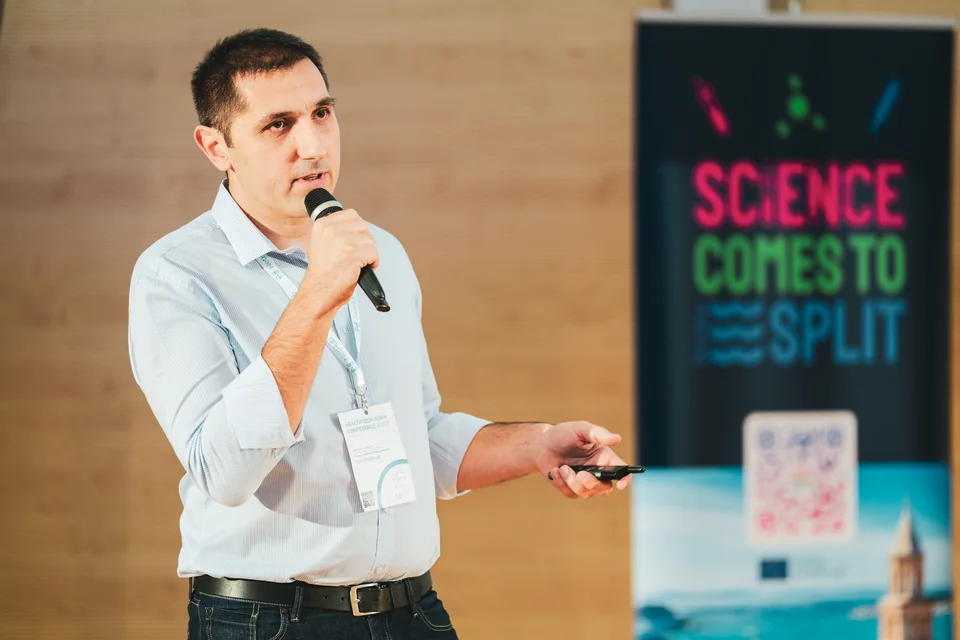
Presenting PathAI at Healthtech Adria 2026 in Split.
ITAS presented PathAI at Healthtech Adria 2026, held on 1–2 October at the University of Split School of Medicine. Organised by NetHub and the School of Medicine, the conference focused on innovation in healthcare.
Ivan Bošković’s presentation covered our work on applying artificial intelligence to colorectal adenocarcinoma analysis. PathAI connects the analysis of digital pathology slides with an interactive viewer in which pathologists can inspect and correct AI findings.
The platform is being developed as an integrated research prototype in collaboration with the Clinical Center of Montenegro. Expert review remains part of the workflow, and broader clinical validation is a next step in its development.
The presentation in Split offered an opportunity to share the project with an international healthcare and technology community. We continue to improve the models and user workflow through collaboration with domain experts and evaluation on real data.
PathAI predstavljen na konferenciji Healthtech Adria 2026 u Splitu
ITAS je predstavio razvoj PathAI platforme na skupu koji povezuje zdravstvene stručnjake, istraživače i tehnološke kompanije.
Objavljeno ·
Predstavljanje PathAI projekta na konferenciji Healthtech Adria 2026 u Splitu.
ITAS je predstavio PathAI na konferenciji Healthtech Adria 2026, održanoj 1. i 2. oktobra na Medicinskom fakultetu Univerziteta u Splitu. Konferenciju su organizovali NetHub i Medicinski fakultet, sa fokusom na inovacije u zdravstvu.
U prezentaciji Ivana Boškovića prikazan je rad na primjeni vještačke inteligencije u analizi kolorektalnog adenokarcinoma. PathAI povezuje analizu digitalnih patoloških preparata sa interaktivnim pregledom u kojem patolog može provjeriti i korigovati AI nalaze.
Platforma se razvija kao integrisani istraživački prototip u saradnji sa Kliničkim centrom Crne Gore. Stručni pregled ostaje sastavni dio rada, a šira klinička validacija jedan je od narednih koraka razvoja.
Predstavljanje u Splitu donijelo je priliku da rad na projektu podijelimo sa međunarodnom zdravstvenom i tehnološkom zajednicom. Nastavljamo da unapređujemo modele i korisnički proces kroz saradnju sa stručnjacima i provjeru na stvarnim podacima.
ITAS u Berlinu predstavio ideju za nastavak razvoja PathAI projekta
Na globalnom finalu Falling Walls Lab 2026 predstavljena je ideja za narednu fazu PathAI projekta, pod nazivom „Breaking the Wall of Diagnostic Blind Spots“.
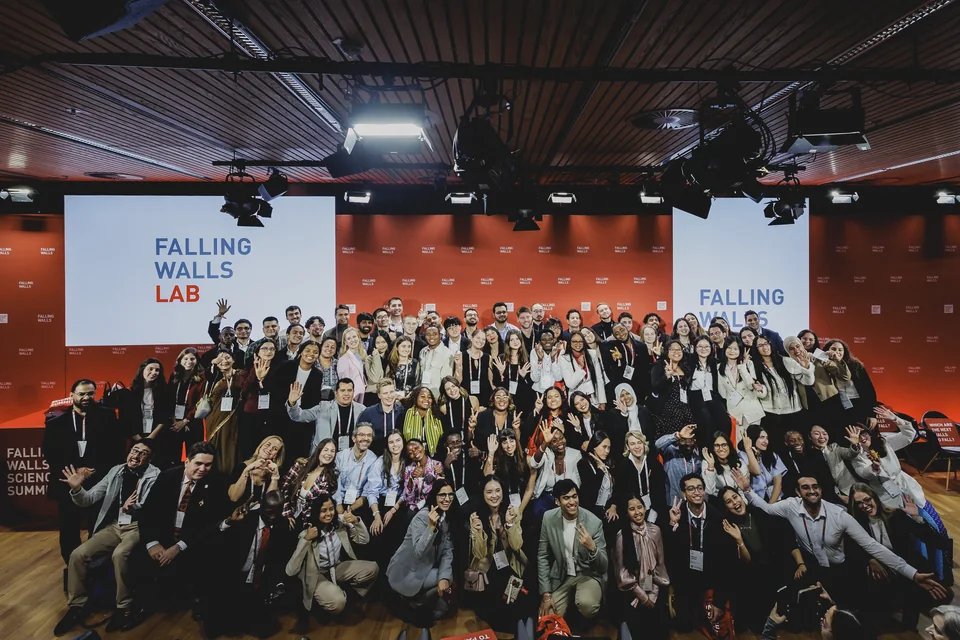
Ivan Bošković iz kompanije ITAS predstavio je u Berlinu ideju za nastavak razvoja PathAI projekta na globalnom finalu Falling Walls Lab 2026. Prezentacija je nosila naziv „Breaking the Wall of Diagnostic Blind Spots“.
U fokusu je bio koncept naredne faze projekta, koji se nadovezuje na iskustvo stečeno kroz razvoj postojećeg istraživačkog prototipa. Nastup je donio priliku da ovaj pravac razvoja predstavimo međunarodnoj naučnoj i inovacionoj zajednici.
Bošković je predstavljao Crnu Goru nakon pobjede na prvom Falling Walls Lab takmičenju u Podgorici. Globalno finale održano je u okviru Falling Walls Science Summita, koji je u Berlinu trajao od 6. do 9. novembra 2026.
Istraživanje digitalnih plaćanja u Crnoj Gori predstavljeno na AOM 2026
Istraživanje na 525 potrošača izdvaja tri grupe kupaca i pokazuje zašto povjerenje, doživljeni rizik i osjećaj sigurnosti utiču na prihvatanje elektronskih plaćanja.
Na 86. godišnjem skupu Academy of Management u Filadelfiji, održanom od 31. jula do 4. avgusta 2026, Ivan Bošković predstavio je istraživanje „Targeting the Trust Gap: Segmenting E-commerce Consumers for E-payment Adoption in Montenegro“. Autori su Sunčica Vuković, Chahna Gonsalves, Ljiljana Kašćelan i Ivan Bošković, sa Univerziteta Crne Gore i King’s College London.
Zašto kupci i dalje biraju plaćanje pouzećem? Poster kao polazni kontekst navodi da oko 69% onlajn kupaca u Crnoj Gori preferira ovaj način plaćanja. Kupcima on smanjuje doživljeni rizik transakcije, ali trgovcima može donijeti veće troškove logistike, kasniju naplatu i više odbijenih pošiljki i povrata.
Istraživanje je obuhvatilo 525 potrošača koji kupuju onlajn, uz podatke prikupljene 2024–2025. Primijenjeno je K-means grupisanje na pokazateljima prihvatanja tehnologije, doživljenog rizika, povjerenja u institucije i kontekstualnim faktorima. Prigodni uzorak i metod sniježne grudve ograničavaju mogućnost generalizacije na sve potrošače u Crnoj Gori.
Sigurni korisnici elektronskog plaćanja — 202 ispitanika (38,5%). Ovu grupu karakterišu veće povjerenje i prihvatanje tehnologije, niži doživljeni rizik i pretežna upotreba kartičnih i digitalnih plaćanja. Preporučeni pristup je zadržavanje kvalitetnog iskustva i povjerenja.
Skeptici usmjereni na gotovinu — 146 ispitanika (27,8%). Imaju najizraženiju sklonost ka plaćanju pouzećem, niže prihvatanje tehnologije i posebno nisko institucionalno povjerenje. Njima su potrebni razumljiva edukacija i postupno građenje povjerenja.
Kupci spremni na promjenu pod određenim uslovima — 177 ispitanika (33,7%). Trenutno često koriste plaćanje pouzećem i osjećaju visok rizik, ali iskazuju najveću namjeru da pređu na druge načine plaćanja ako se unaprijedi zaštita od prevara. To je iskazana namjera, a ne izmjeren prelazak na kartice.
Ključni nalaz je da plaćanje pouzećem nije jedna jedinstvena navika. Na izbor utiču tehnologija, rizik i povjerenje, a povjerenje u institucije može biti jednako važno — ili važnije — od digitalnih kompetencija. Zato isti pristup neće jednako djelovati na sve kupce.
Za kompanije to znači da dostupnost kartičnog plaćanja treba pratiti jasno objašnjenje zaštite kupca i postupka reklamacije, pouzdan proces i edukacija prilagođena korisnicima. To su praktične implikacije nalaza, a ne dokaz da je određena intervencija već povećala konverziju. Poster navodi podršku Asocijacije za elektronsku trgovinu Crne Gore i Payten-a.
ITAS presents an idea for the next phase of PathAI in Berlin
An idea for the next phase of PathAI was presented at the Falling Walls Lab 2026 Global Finale under the title “Breaking the Wall of Diagnostic Blind Spots”.
ITAS’s Ivan Bošković presented an idea for the continued development of PathAI at the Falling Walls Lab 2026 Global Finale in Berlin. The presentation was titled “Breaking the Wall of Diagnostic Blind Spots”.
The focus was a concept for the project’s next phase, building on experience gained through developing the existing research prototype. The presentation offered an opportunity to share this direction with an international research and innovation community.
Bošković represented Montenegro after winning the first Falling Walls Lab competition in Podgorica. The global finale formed part of the Falling Walls Science Summit, held in Berlin from 6 to 9 November 2026.
Research on digital payment behaviour in Montenegro presented at AOM 2026
A study of 525 consumers identifies three shopper groups and examines how trust, perceived risk and security shape the adoption of electronic payments.
Published ·
Digital payments and consumer choices — a conceptual illustration of the research topic.AI-generated illustration · ITAS
At the 86th Annual Meeting of the Academy of Management in Philadelphia, held from 31 July to 4 August 2026, Ivan Bošković presented “Targeting the Trust Gap: Segmenting E-commerce Consumers for E-payment Adoption in Montenegro”. The authors are Sunčica Vuković, Chahna Gonsalves, Ljiljana Kašćelan and Ivan Bošković, affiliated with the University of Montenegro and King’s College London.
Why do shoppers still choose cash on delivery? As background, the poster reports that around 69% of online shoppers in Montenegro prefer this payment method. It reduces perceived transaction risk for shoppers, but can create higher logistics costs, delayed cash flow and more refused deliveries and returns for merchants.
The research surveyed 525 consumers engaged in online shopping, with data collected in 2024–2025. K-means clustering used indicators of technology acceptance, perceived risk, institutional trust and contextual factors. Convenience and snowball sampling limit generalisation to all consumers in Montenegro.
Secure e-payment adopters — 202 respondents (38.5%). This group combines stronger trust and technology acceptance with lower perceived risk and predominantly uses digital or card payments. The recommended approach is to retain their trust and provide a reliable payment experience.
Cash-centric skeptics — 146 respondents (27.8%). They show the strongest preference for cash on delivery, lower technology acceptance and particularly low institutional trust. Accessible education and gradual trust-building are the recommended priorities.
Conditional converters — 177 respondents (33.7%). They currently use cash on delivery frequently and perceive high risk, but express the strongest intention to switch if fraud protection improves. This is stated intention, not an observed conversion to card payments.
The central finding is that cash on delivery is not a single, uniform habit. Technology, risk perceptions and trust all shape the choice. Institutional trust can matter as much as, or more than, digital competence, so different customer groups require different approaches.
For businesses, this suggests pairing the availability of card payments with clear explanations of buyer protection and complaints procedures, reliable processes and education suited to customers. These are practical implications, not evidence that a specific intervention has already improved conversion. The poster acknowledges support from the Montenegrin E-commerce Association and Payten.
PathAI auf der Healthtech Adria 2026 in Split vorgestellt
ITAS stellte die Entwicklung von PathAI auf einer Konferenz vor, die Fachleute aus Medizin, Forschung und Technologie zusammenbringt.
Veröffentlicht ·
Vorstellung von PathAI auf der Healthtech Adria 2026 in Split.
ITAS präsentierte PathAI auf der Healthtech Adria 2026 am 1. und 2. Oktober an der Medizinischen Fakultät der Universität Split. NetHub und die Medizinische Fakultät organisierten die Konferenz mit dem Schwerpunkt Innovationen im Gesundheitswesen.
In seinem Vortrag stellte Ivan Bošković unsere Arbeit zum Einsatz künstlicher Intelligenz bei der Analyse kolorektaler Adenokarzinome vor. PathAI verbindet die Analyse digitaler histologischer Präparate mit einer interaktiven Ansicht, in der Pathologinnen und Pathologen KI-Ergebnisse prüfen und korrigieren können.
Die Plattform wird in Zusammenarbeit mit dem Klinischen Zentrum Montenegros als integrierter Forschungsprototyp entwickelt. Die fachliche Prüfung bleibt Teil des Arbeitsablaufs; eine breitere klinische Validierung gehört zu den nächsten Entwicklungsschritten.
Die Präsentation in Split bot Gelegenheit, das Projekt einer internationalen Gemeinschaft aus Medizin und Technologie vorzustellen. Gemeinsam mit Fachleuten entwickeln wir die Modelle und Arbeitsabläufe weiter und überprüfen sie anhand realer Daten.